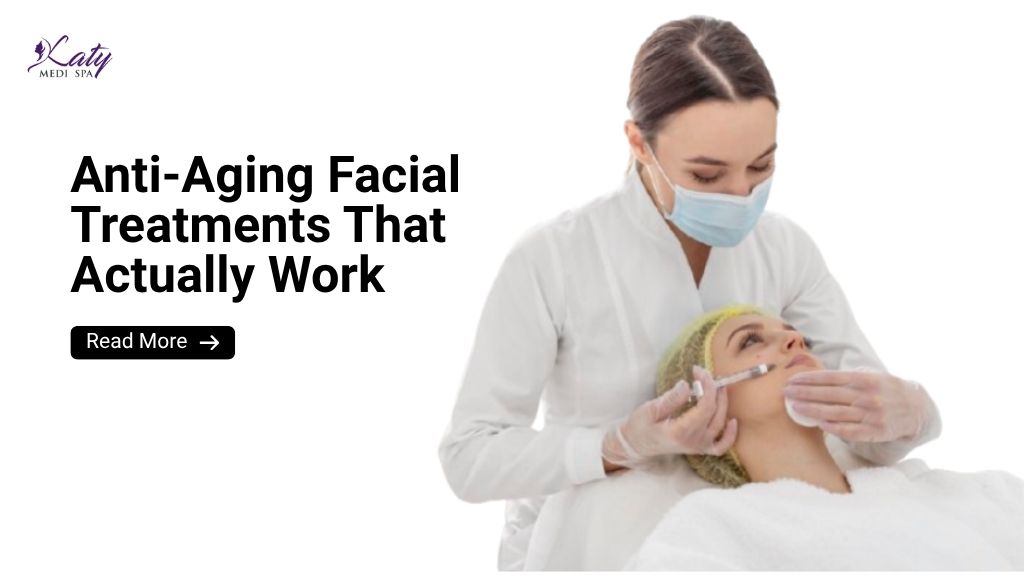
As a medical spa practitioner, I meet patients who feel overwhelmed by the number of facial treatments available. Many come in after trying trending facials that promise quick results but deliver very little change in fine lines, wrinkles, or skin firmness. Over the years, I learned that effective anti-aging facial treatments follow one principle. They must support collagen production, improve skin texture, and restore hydration at a deeper level.
Aging skin is not just about wrinkles. It reflects structural changes within the dermis. Collagen fibers weaken, elastin loses flexibility, and cellular turnover slows down. External factors such as UV exposure and oxidative stress accelerate this process. Skin starts to look dull, uneven, and less resilient. Any treatment that claims to reverse aging must address these deeper layers, not just the surface.
In my practice, I focus on treatments that show consistent clinical results. These include hydrafacial, chemical peels, microneedling, LED light therapy, and oxygen facials. Each works differently, but all share one goal. They improve skin regeneration and enhance elasticity over time.
Skin aging develops gradually. Many patients think dryness alone causes wrinkles, but the process goes deeper.
Collagen acts as the structural protein that keeps skin firm. With age, collagen synthesis slows down. Elastin fibers, which allow skin to stretch and bounce back, begin to degrade. This leads to sagging and fine lines. At the same time, the epidermis loses its ability to retain moisture, weakening the skin barrier.
Sun exposure plays a major role. UV radiation damages the dermal matrix and triggers photoaging. I often see patients with uneven pigmentation, rough texture, and premature wrinkles caused by years of unprotected sun exposure. Oxidative stress from pollution and lifestyle habits further accelerates this damage.
Understanding these causes helps in choosing the right facial treatment. Surface-level treatments alone cannot correct structural decline. Effective solutions must stimulate cellular renewal and improve skin function from within.
HydraFacial is one of the most requested treatments in my clinic. I have used it on a wide range of skin types, including sensitive and acne-prone skin. Its strength lies in combining exfoliation, extraction, and hydration in one controlled process.
The device uses vortex technology to remove dead skin cells and impurities while simultaneously infusing serums rich in antioxidants, peptides, and hyaluronic acid. This dual action supports skin hydration and improves barrier function.
Patients often notice an immediate glow after one session. Skin feels smoother and looks more refined. Pores appear less visible due to effective cleansing. While the results are not permanent, regular sessions help maintain hydration and prevent early signs of aging.
I recommend this treatment for individuals with dull skin, mild fine lines, or dehydration. Monthly sessions support consistent improvement without irritation.
Chemical peels remain one of the most effective anti-aging treatments when performed correctly. I have seen significant improvement in patients with pigmentation, uneven texture, and early wrinkles using this method.
The treatment works by applying a controlled acidic solution to exfoliate the outer layer of skin. Depending on the formulation, it may contain alpha hydroxy acids, beta hydroxy acids, or trichloroacetic acid. These compounds accelerate cell turnover and stimulate collagen regeneration.
Results develop gradually. After a few sessions, skin appears brighter and smoother. Fine lines soften as new skin replaces damaged layers. This process also helps reduce sun damage and discoloration.
Light peels suit beginners and require minimal downtime. Medium-depth peels provide stronger results but need more recovery time. I always tailor the strength based on skin sensitivity and concern.
Microneedling remains one of the most reliable treatments I use for patients seeking long-term anti-aging results. Unlike surface facials, this procedure targets the dermis, where structural repair actually happens.
A device fitted with fine needles creates controlled micro-injuries across the skin. This process activates the body’s natural wound-healing response. Fibroblasts begin producing new collagen and elastin, which gradually improves skin density and elasticity.
When I first started offering this treatment, I was cautious about recommending it widely. Over time, I saw consistent improvement in patients with fine lines, acne scars, and skin laxity. The results are not instant, but they are meaningful and progressive.
Skin becomes firmer, smoother, and more even in texture after multiple sessions. Many patients report that their skin looks healthier rather than artificially tightened. This distinction matters because natural regeneration creates sustainable results.
I usually recommend sessions every four to six weeks. A series of three to six treatments works best for visible improvement. Proper aftercare is essential since the skin remains sensitive during the healing phase.
This treatment suits individuals dealing with deeper wrinkles, early sagging, or uneven skin texture. It stands out because it directly supports collagen stimulation rather than temporarily masking aging signs.
LED Light Therapy for Collagen Support and Skin Healing
LED light therapy offers a non-invasive approach to skin rejuvenation. I often use it as a complementary treatment because it enhances recovery and supports overall skin health.
Different wavelengths of light penetrate the skin at varying depths. Red light stimulates collagen production and improves circulation. Blue light targets acne-causing bacteria and helps reduce inflammation. This dual action makes it suitable for both aging and acne-prone skin.
In my experience, patients appreciate this treatment because it involves no discomfort or downtime. It works gradually, which means results build over time rather than appearing instantly.
Skin tone improves, redness reduces, and overall texture becomes more refined with consistent sessions. While LED therapy alone may not reverse deep wrinkles, it plays an important role in maintaining skin health and supporting other treatments like microneedling or chemical peels.
I often recommend weekly sessions for optimal results. Consistency determines effectiveness here more than intensity.
This treatment works best for individuals with sensitive skin, early aging signs, or inflammation-related concerns.
Oxygen Facial for Instant Hydration and Radiance
Oxygen facials are often misunderstood. Many people expect long-term anti-aging results, but this treatment serves a different purpose. It focuses on immediate skin revitalization.
The procedure uses pressurized oxygen to deliver nutrient-rich serums into the skin. These serums typically contain vitamins, botanical extracts, and hydrating agents. The infusion improves circulation and enhances skin hydration.
I often recommend oxygen facials before events or for patients experiencing dull, tired-looking skin. The results are visible immediately. Skin appears plumper, brighter, and more refreshed.
Fine lines look softer due to improved hydration levels, but this effect is temporary. Unlike microneedling or chemical peels, oxygen facials do not significantly stimulate collagen production.
That said, they still play a valuable role in a skincare routine. When combined with other treatments, they help maintain hydration and improve overall skin appearance.
Monthly sessions work well for maintenance. This treatment suits individuals who want quick results without irritation or downtime.
Selecting the right facial treatment depends on skin behavior, not trends. I always assess hydration levels, oil production, sensitivity, and structural changes before recommending any procedure. Each skin type responds differently to stimulation, exfoliation, and infusion.
Dry skin often lacks lipids and struggles with moisture retention. In such cases, hydrafacial and oxygen-based treatments help restore hydration and improve barrier strength. These options support smoother texture and reduce the appearance of fine lines caused by dehydration.
Oily or acne-prone skin requires controlled exfoliation and antibacterial support. Chemical peels and LED light therapy work well here. Peels clear congestion and improve cell turnover, while light therapy reduces inflammation and stabilizes breakouts.
Mature skin shows reduced elasticity and deeper wrinkles. Microneedling becomes more effective in these cases because it stimulates collagen production within the dermis. In some patients, combining microneedling with mild peels enhances results by addressing both surface texture and deeper structural concerns.
Sensitive skin needs a cautious approach. I usually begin with LED therapy or gentle hydrating facials before introducing stronger treatments. Gradual progression prevents irritation and maintains skin integrity.
Personalization always delivers better results than following a generic routine. Skin evolves with age, lifestyle, and environmental exposure, so treatment plans should adapt accordingly.
How Often Should You Get Anti-Aging Facials
Consistency plays a more important role than intensity when it comes to anti-aging skincare treatments. Many patients expect dramatic results after one session, but skin regeneration follows a cycle that requires time and repetition.
Hydrafacial works well as a monthly maintenance treatment. It keeps skin hydrated, supports pore clarity, and maintains a healthy glow. Oxygen facials can also be done monthly or before special occasions for instant radiance.
Microneedling requires more spacing. I recommend sessions every four to six weeks to allow proper collagen remodeling. Over-treatment can disrupt healing, so timing matters.
Chemical peels vary depending on strength. Light peels can be done every few weeks, while stronger formulations require longer intervals. Proper spacing ensures safe exfoliation without damaging the skin barrier.
LED therapy fits well into weekly routines. It supports healing, reduces inflammation, and enhances the effects of other treatments. Many patients use it as a maintenance step between more intensive procedures.
A structured routine that combines hydration, exfoliation, and collagen stimulation delivers the best long-term outcome. Skipping sessions or switching treatments too often reduces effectiveness.
Conclusion
After years of working with different skin types and concerns, one pattern remains consistent. Treatments that focus on hydration alone provide temporary improvement, while those that stimulate collagen create lasting change.
Hydrafacial and oxygen facials improve surface hydration and radiance. Chemical peels refine texture and promote renewal. Microneedling strengthens the skin from within by boosting collagen and elastin. LED therapy supports healing and enhances overall skin function.
Real anti-aging results come from combining these approaches in a structured plan rather than relying on a single treatment. Skin needs continuous support to maintain elasticity, firmness, and clarity.
If you are unsure where to begin, seeking professional guidance makes a significant difference. A personalized treatment plan based on your skin condition helps avoid unnecessary procedures and delivers better outcomes. Many patients who visit KatyMedi Spa share that understanding their skin changed the way they approach skincare. With the right combination of treatments and consistency, healthy and youthful-looking skin becomes achievable rather than unpredictable.