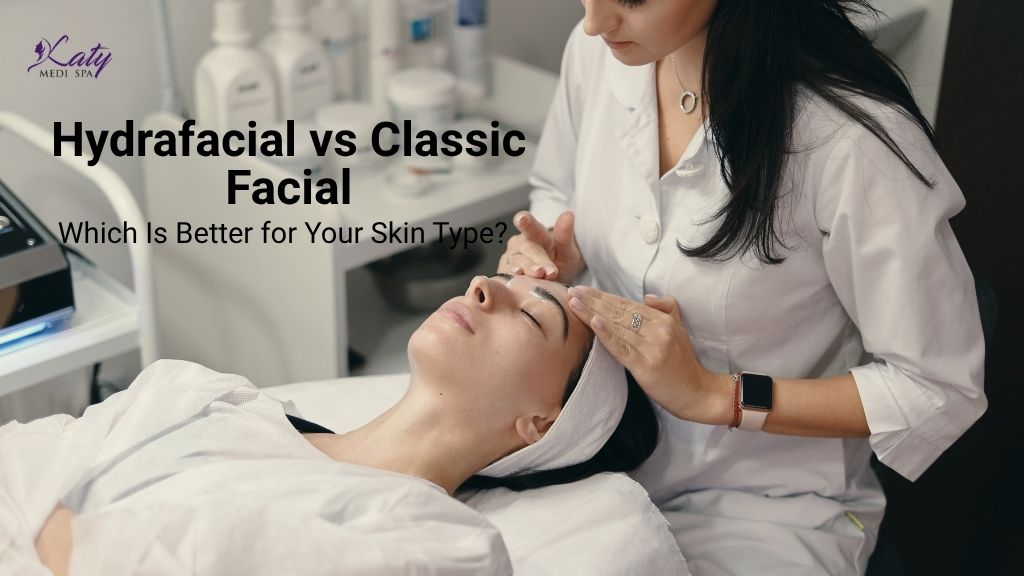
As a practicing aesthetic doctor, I often get asked a simple but important question: Should I go for a Hydrafacial or stick with a classic facial? Over the years, I have personally tested both treatments on different skin types and guided hundreds of patients through this decision. My name is Dr. Karen Thampoe, and in this guide, I will break down both treatments in a practical, experience-driven way so you can choose what truly suits your skin.
Skin care is no longer just about cleansing and moisturizing. Today, treatments like Hydrafacial and traditional facials target deeper concerns such as clogged pores, uneven texture, dehydration, pigmentation, and early signs of aging. However, each method works differently at a structural level of the skin, which directly impacts results.
Let us start by understanding what each treatment actually involves.
A classic facial is one of the oldest and most widely practiced skincare treatments. It follows a manual, step-by-step approach designed to cleanse, exfoliate, and nourish the skin.
In most salons or dermatology clinics, a traditional facial includes cleansing, steaming, exfoliation, manual extraction of blackheads or whiteheads, massage, and application of a face mask tailored to your skin type. Some variations include fruit facials, gold facials, anti-aging facials, or herbal facials.
From my clinical perspective, the biggest strength of a classic facial lies in its customization and tactile stimulation. The massage improves blood circulation, which enhances oxygen supply to skin cells. This process supports collagen activity and gives a temporary glow.
However, results depend heavily on the therapist’s skill, hygiene practices, and product quality. Manual extraction can sometimes irritate sensitive skin or cause redness if not done correctly.
Classic facials work best for people who want relaxation, mild cleansing, and a short-term radiance boost. They are especially suitable for normal to slightly dry skin types that do not have active acne or severe sensitivity.
Hydrafacial is a modern, technology-driven skin treatment that uses a patented vortex system to cleanse, exfoliate, extract impurities, and hydrate the skin simultaneously.
Unlike traditional facials, this treatment uses a machine with specialized tips that create a vacuum-like suction. This allows deep pore cleansing without aggressive manual extraction. At the same time, it infuses the skin with serums containing hyaluronic acid, antioxidants, peptides, and salicylic acid.
From my personal experience in clinic settings, Hydrafacial offers consistent and controlled results. The process is less dependent on human technique and more on standardized technology, which reduces the risk of skin damage.
One of the key advantages is that it targets multiple skin concerns in one session. These include clogged pores, dullness, fine lines, dehydration, and mild acne.
Patients often describe the experience as soothing rather than invasive. There is no downtime, which makes it a popular choice before events or important occasions.
The primary difference between Hydrafacial and a classic facial lies in how they interact with the skin layers.
A traditional facial works mostly on the surface level. It focuses on removing dirt, dead skin cells, and improving circulation through massage. While beneficial, its effects are often temporary and limited to the epidermis.
Hydrafacial, on the other hand, penetrates deeper into the pores. The suction-based exfoliation removes debris from within hair follicles and sebaceous glands. At the same time, active ingredients reach deeper layers of the skin, improving hydration and skin barrier function.
In simple terms, a classic facial cleans the skin manually, while Hydrafacial uses technology to clean and treat the skin at a deeper level.
Choosing between these two treatments depends largely on your skin type, concerns, and tolerance.
From my clinical observations, classic facials are better suited for individuals with stable, non-reactive skin. If your primary goal is relaxation and occasional maintenance, this option works well.
However, people with oily skin, acne-prone skin, enlarged pores, or uneven texture benefit more from Hydrafacial. The controlled exfoliation and serum infusion help regulate oil production and reduce congestion.
Sensitive skin types often tolerate Hydrafacial better because it avoids harsh scrubbing and manual extraction. The treatment can be adjusted based on skin sensitivity levels, which makes it safer for rosacea-prone or reactive skin.
One common misconception I encounter is that both treatments deliver similar results. This is not accurate.
A classic facial gives an instant glow due to improved circulation and hydration from creams and masks. However, this effect usually fades within a few days.
Hydrafacial provides both immediate and cumulative benefits. Right after the session, the skin appears smoother, clearer, and more hydrated. With regular sessions, patients notice improved skin texture, reduced pigmentation, and fewer breakouts.
From a dermatological standpoint, Hydrafacial supports long-term skin health by maintaining pore hygiene and strengthening the skin barrier.
In my own practice, I rarely recommend classic facials for patients dealing with persistent skin issues like acne, pigmentation, or early aging signs. These conditions require targeted treatments rather than surface-level care.
Hydrafacial fits well into modern skincare routines because it combines exfoliation, extraction, and hydration in a single, efficient process. It also pairs well with other dermatological treatments like chemical peels or laser therapy.
However, I still acknowledge the role of traditional facials for relaxation and basic skincare maintenance. Not every skin concern needs advanced intervention.
Now, let me go deeper into what truly matters when choosing a treatment. I will focus on benefits, limitations, safety, and real outcomes based on what I have seen in clinical practice.
Hydrafacial is not just a cosmetic procedure. It works as a multi-step skin therapy that targets several layers of skin function at once.
The treatment combines exfoliation, extraction, and infusion in a controlled manner. This helps remove dead skin cells from the stratum corneum while clearing debris from pores. At the same time, ingredients like hyaluronic acid restore hydration at a cellular level.
From my experience, patients who take regular sessions often show:
Improved skin texture and smoothness
Reduced blackheads and whiteheads
Balanced sebum production in oily skin
Better hydration in dry or dehydrated skin
Mild reduction in fine lines due to improved elasticity
One important point many people overlook is skin barrier repair. Hydrafacial supports the lipid barrier, which protects against environmental damage and transepidermal water loss. This makes the skin more resilient over time.
For patients dealing with dullness, uneven tone, or congestion, this treatment delivers visible and measurable improvements.
Despite the rise of advanced treatments, classic facials still have their place in skincare.
The biggest advantage is relaxation and circulation enhancement. Facial massage stimulates blood flow, which temporarily improves skin radiance. It also relaxes facial muscles, which can reduce tension and stress.
In my practice, I have noticed that patients who are under high stress or experience dull skin due to fatigue benefit from occasional traditional facials. The psychological and physical relaxation cannot be ignored.
Classic facials also allow flexibility in ingredients. Herbal extracts, fruit enzymes, and essential oils can be used depending on skin preference.
However, results remain surface-level. They do not deeply clean pores or correct underlying issues such as acne, pigmentation, or clogged sebaceous glands.
Safety is a major factor when choosing any skincare treatment.
Hydrafacial is generally safe for most skin types. Since it avoids aggressive manual extraction, it reduces the risk of inflammation, micro-tears, or post-treatment redness. Some patients may experience slight sensitivity, but it usually resolves within a few hours.
Classic facials, on the other hand, carry more variability. If extractions are done forcefully or hygiene standards are not maintained, it can lead to irritation, breakouts, or even minor infections.
In acne-prone or sensitive skin, manual extraction often triggers more harm than benefit. I have treated several patients who developed flare-ups after improper facials.
For rosacea, inflamed acne, or highly reactive skin, I usually avoid traditional facials and prefer controlled treatments like Hydrafacial.
One common concern is cost. Hydrafacial sessions are typically more expensive than classic facials.
However, cost should always be evaluated in terms of value and results rather than just price.
A classic facial is cheaper, but results last only a few days. It mainly improves surface appearance without addressing deeper concerns.
Hydrafacial may cost more per session, but it delivers both instant results and long-term skin improvement. It reduces the need for multiple trial-and-error treatments.
From a long-term skincare investment perspective, Hydrafacial often proves more efficient.
Another key difference lies in how often you need each treatment.
Classic facials are usually done once a month or occasionally before events. Their effects fade quickly, so they do not build long-term skin improvements.
Hydrafacial works best as part of a consistent skincare routine. Many of my patients follow a cycle of one session every 4 to 6 weeks. Over time, their skin becomes clearer, healthier, and more balanced.
This cumulative effect is what sets it apart.
Let me share a few real scenarios that will help you understand how I recommend treatments.
A 28-year-old patient with oily skin and frequent breakouts came to me after trying multiple salon facials. Her skin showed temporary improvement but acne kept returning. After switching to Hydrafacial sessions combined with proper skincare, her breakouts reduced significantly within three months.
Another patient in her early 40s had dry, dull skin with early signs of aging. She initially preferred relaxing facials. While they improved her glow for a short time, the dryness persisted. Hydrafacial helped restore hydration and improved skin texture over repeated sessions.
On the other hand, a young professional with no major skin concerns opted for occasional classic facials simply for relaxation. In such cases, traditional facials still serve a purpose.
These examples highlight an important point. The right choice depends on your skin condition, not just trends.
Many people come with misconceptions that affect their decision.
One common myth is that Hydrafacial is only for people with serious skin problems. In reality, it is suitable for both maintenance and treatment.
Another misconception is that classic facials are completely safe for all skin types. This is not always true, especially when dealing with sensitive or acne-prone skin.
Some also believe that more expensive treatments are always better. That is not the right approach. The best treatment is the one that matches your skin needs.
As a doctor, I always focus on skin biology rather than trends.
If your goal is relaxation and occasional glow, a classic facial works fine.
If you want consistent improvement, deeper cleansing, and long-term skin health, Hydrafacial is a better choice.
In modern dermatology, treatments that combine technology with targeted ingredients tend to deliver more reliable outcomes.
Hydrafacial and classic facials serve different purposes. Hydrafacial works deeper, improves skin health over time, and suits concerns like acne, clogged pores, and dehydration. Classic facials focus on relaxation and give a temporary glow, making them suitable for low-maintenance skincare.
From a clinical perspective, Hydrafacial is the better choice for most skin types if your goal is long-term results. Choose based on your skin needs, not trends. Consistency and proper skincare matter more than any single treatment.