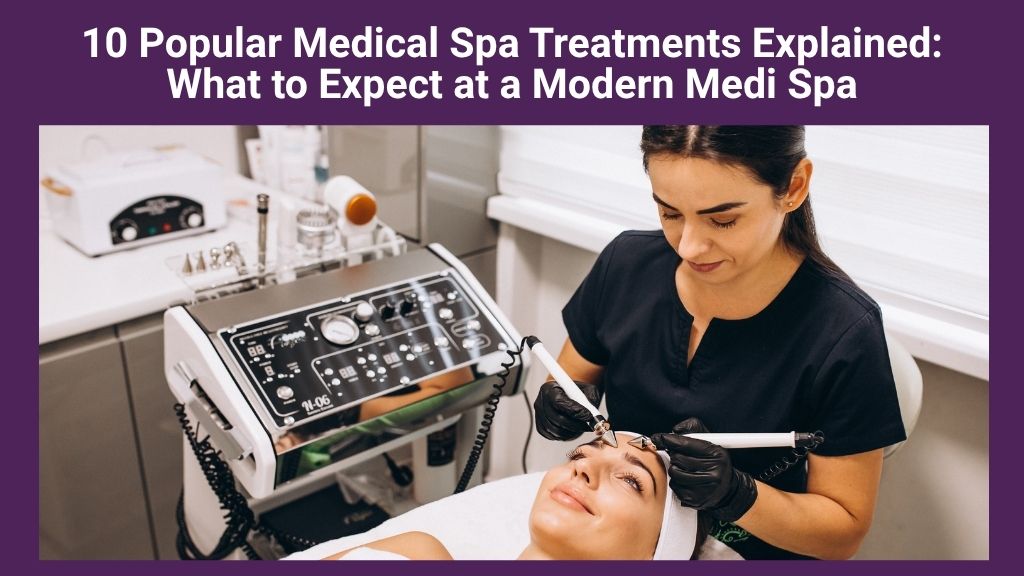
The concept of medical spas has evolved rapidly over the past decade, blending clinical treatments with traditional wellness therapies. Unlike conventional beauty salons, a medi spa operates under medical supervision and offers treatments that target both aesthetic concerns and overall well-being.
A platform like Katy Medi Spa reflects this modern approach by combining skincare, injectables, and wellness-based therapies under one roof. According to its service overview, medi spas today offer everything from facials and microneedling to hormone therapy and internal medicine, creating a more comprehensive care model.
If you’re new to medi spa treatments or simply exploring your options, this listicle breaks down the most popular services, how they work, and what you can realistically expect.
Botox and similar neurotoxins are among the most widely performed non-surgical cosmetic procedures. These treatments work by temporarily relaxing targeted facial muscles, which helps reduce dynamic wrinkles like forehead lines and crow’s feet.
The appeal lies in their efficiency. Sessions are typically quick, require minimal downtime, and produce noticeable yet natural-looking results when administered correctly. Over time, many individuals also use these treatments preventively to slow the formation of deeper wrinkles.
As the skin ages, it gradually loses collagen, elasticity, and volume. Dermal fillers are designed to restore this lost volume and enhance facial contours.
They are commonly used in areas such as:
Results are often visible immediately, making fillers a popular option for those looking for quick yet non-permanent enhancements.
Facials remain a foundational treatment in any medi spa. However, unlike standard salon facials, medical-grade facials are tailored to specific skin concerns such as acne, dryness, or aging.
A typical session may include deep cleansing, exfoliation, hydration, and targeted treatments. Regular facials can help maintain skin health by removing impurities, improving circulation, and supporting collagen production.
They are often recommended as part of a long-term skincare routine rather than a one-time treatment.
Chemical peels involve applying a specialized solution that removes the outermost layer of the skin. This process encourages new cell turnover, resulting in smoother and more even-toned skin.
They are commonly used to address:
The intensity of the peel can vary from mild to deep, depending on the individual’s skin condition and desired results.
Microneedling is a minimally invasive procedure that stimulates the body’s natural healing process. By creating micro-injuries in the skin, it encourages collagen and elastin production.
This treatment is particularly effective for improving:
Because it works with the body’s own repair mechanisms, results appear gradually but tend to look more natural over time.
Laser hair removal uses concentrated light energy to target hair follicles and inhibit future hair growth. The treatment works by converting light into heat, which damages the follicle and slows regrowth.
While multiple sessions are required, the long-term benefits include smoother skin and significantly reduced hair growth. It is commonly used on areas such as the legs, underarms, face, and bikini line.
Non-surgical body contouring treatments have become increasingly popular for individuals looking to refine their body shape without undergoing invasive procedures.
These treatments typically use technologies like radiofrequency or ultrasound to target and break down fat cells. They are best suited for people who are close to their ideal weight but want to address stubborn fat areas that do not respond to diet or exercise.
IV therapy delivers vitamins, minerals, and fluids directly into the bloodstream, allowing for faster absorption compared to oral supplements.
People often seek IV therapy for:
While it has gained popularity in wellness circles, it is typically administered under professional supervision to ensure safety and effectiveness.
Massage therapy continues to play an important role in medi spa services, offering both physical and mental benefits. Treatments can range from relaxation-focused sessions to more therapeutic approaches such as lymphatic drainage or deep tissue massage.
These therapies can help:
In many cases, massage is integrated into broader wellness plans rather than being treated as a standalone service.
One of the defining features of modern medi spas is the integration of medical care. Internal medicine services focus on overall health, addressing both preventive care and chronic conditions.
These services may include:
Internal medicine essentially acts as primary care for adults, covering a wide range of health conditions and preventive measures.
This combination of medical and aesthetic care allows for a more holistic approach, where treatments are aligned with an individual’s overall health profile.
Medical spas have redefined the way people approach skincare and wellness by combining clinical expertise with aesthetic treatments. Instead of focusing solely on appearance, modern medi spas emphasize long-term skin health, preventive care, and overall well-being.
From injectables and facials to advanced treatments like microneedling and IV therapy, the range of services continues to expand. What makes this model effective is its ability to offer personalized care that addresses both cosmetic concerns and underlying health factors.
Understanding these treatments is the first step toward making informed decisions. Whether someone is looking to improve skin quality, reduce signs of aging, or support overall wellness, medi spas provide a structured and medically guided environment to explore these options.