
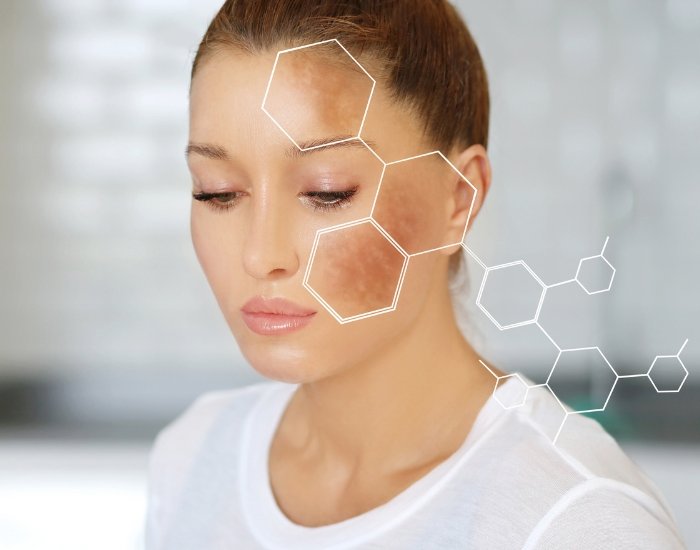
Uneven skin tone, dark spots, and hyperpigmentation can be frustrating to deal with, and they are conditions that many people experience at some point in their lives. Whether from sun exposure, acne scars, hormonal changes, or aging, these skin issues can leave you feeling self-conscious about your appearance. However, you don’t have to live with them forever. One of the most effective ways to reduce dark spots and hyperpigmentation is through chemical peels—a proven treatment that promotes smoother, more even-toned skin.
In this blog, we’ll dive into how chemical peels work to address hyperpigmentation, the benefits of the treatment, and how you can achieve clearer, brighter skin with expert care.
What Causes Dark Spots and Hyperpigmentation?
Before diving into the solution, it’s important to understand what causes these skin concerns. Hyperpigmentation occurs when there’s an overproduction of melanin, the pigment responsible for skin color. This can result in dark patches or spots on the skin, which may appear as sunspots, age spots, or post-inflammatory hyperpigmentation (dark spots left after acne or injury).
Several factors contribute to the development of hyperpigmentation, including:
- Sun Exposure: Prolonged exposure to the sun stimulates melanin production, leading to dark spots, commonly referred to as sunspots or liver spots.
- Hormonal Changes: Pregnancy or birth control can trigger melasma, a condition marked by brown or gray-brown patches on the face.
- Acne Scars: After an acne breakout, the skin may heal with dark spots that can persist long after the acne has cleared up.
- Aging: As we age, skin cell turnover slows down, and the accumulation of damage from years of sun exposure becomes more visible.
How Chemical Peels Help with Hyperpigmentation
Chemical peels are a non-invasive, highly effective treatment option for reducing dark spots and hyperpigmentation. This treatment involves the application of a chemical solution to the skin, which exfoliates the outer layers and encourages the regeneration of new skin cells. By removing the damaged skin, chemical peels can reveal smoother, more even-toned skin underneath.
There are various types of chemical peels, ranging from mild to deep, depending on the severity of the hyperpigmentation and the skin’s needs. The most common types used to treat dark spots and hyperpigmentation are:
- Superficial Peels: These are the mildest type and typically use alpha-hydroxy acids (AHAs) or beta-hydroxy acids (BHAs) to exfoliate the outer layer of the skin. These peels are ideal for light spots and superficial pigmentation.
- Medium Peels: These often contain trichloroacetic acid (TCA) and target deeper layers of the skin. They are more effective for moderate hyperpigmentation, such as sunspots or melasma.
- Deep Peels: These are more intense and are used for severe pigmentation issues, such as deep acne scars or significant sun damage. They require more downtime but offer dramatic results.
Benefits of Chemical Peels for Hyperpigmentation
Chemical peels offer a range of benefits when it comes to treating dark spots and hyperpigmentation:
- Improved Skin Tone: Peels help to fade dark spots, resulting in a more even and radiant complexion.
- Increased Collagen Production: The exfoliation process stimulates collagen production, which helps improve skin texture and firmness over time.
- Non-Invasive Treatment: Unlike more invasive procedures like laser treatments, chemical peels are minimally invasive, with no need for surgery.
- Customizable: Your dermatologist or esthetician can adjust the type and strength of the peel to suit your skin’s specific needs, ensuring the best results.
What to Expect During and After a Peel
A chemical peel is typically a quick procedure that can be done during a lunch break. Your provider will apply the chemical solution to your skin, which may cause a slight tingling or burning sensation for a few minutes. After the treatment, your skin may appear red and feel sensitive, similar to a mild sunburn.
In the days following the peel, you will likely experience peeling and flaking as your skin sheds the outer layers. This is a natural part of the process and can last for a few days to a week, depending on the depth of the peel. It’s essential to avoid sun exposure during this time, as your skin will be more sensitive to UV rays.
For optimal results, multiple treatments may be required, especially for stubborn pigmentation. Your provider will work with you to determine the best treatment plan for your skin.
Final Thoughts: The Importance of Professional Care
While over-the-counter products can help reduce the appearance of dark spots, they often lack the potency of professional treatments like chemical peels. A customized treatment plan tailored to your skin’s unique needs can help you achieve noticeable results, with minimal downtime.
If you’re dealing with hyperpigmentation or dark spots, a consultation with a trained specialist at Katy Medi Spa can provide you with the guidance and treatment options you need. Chemical peels can be an excellent solution to help you achieve clearer, more even-toned skin and boost your confidence.
Disclaimer:
The information provided in this blog is for educational purposes only and is not intended as medical advice. It should not be used to diagnose or treat any health condition. Always consult with a qualified healthcare professional for accurate diagnosis and treatment of any symptoms or medical concerns.